AI Transparency Should Not Apply to Ads, Says Eurocommerce
Eurocommerce, the European retail association whose members include well-known fashion brands like Amazon, H&M group, Inditex, and Ikea, is asking the EU regulatory body to exempt AI-generated ads from having to disclose AI use.
Under the EU's AI Act, companies must clearly label images, audio and video content that has been generated or modified using artificial intelligence essentially rendering the creative output " a deep fake."
Herein lies Virkunen's challenge. What constitutes a "deep fake", how will this be defined? Retailers are already using AI extensively for marketing and advertising. German online retailer Zalando, for instance, reports that the technology has enabled it to cut content production costs by 90%, while fast-fashion industry darlings, H&M and Zara are already using AI-generated models.
Zalando: Zalando explores digital twins – high-fidelity replicas of real models | Zalando Corporate
The regulation enters into force on August 2nd, however, this hasn't stopped Eurocommerce's director general from sending a letter to Henna Virkunen, the EU's tech chief.
In her letter Christel Delberghe says that "The regulation should not include AI-generated ads “not intended to mislead users, for example, generating an image of a living room to showcase a sofa, or enhancing product visuals for presentation purposes." She further highlights that forcing retailers to apply an AI-label to "a very large share of AI-assisted content" risks diluting the value of the label itself.
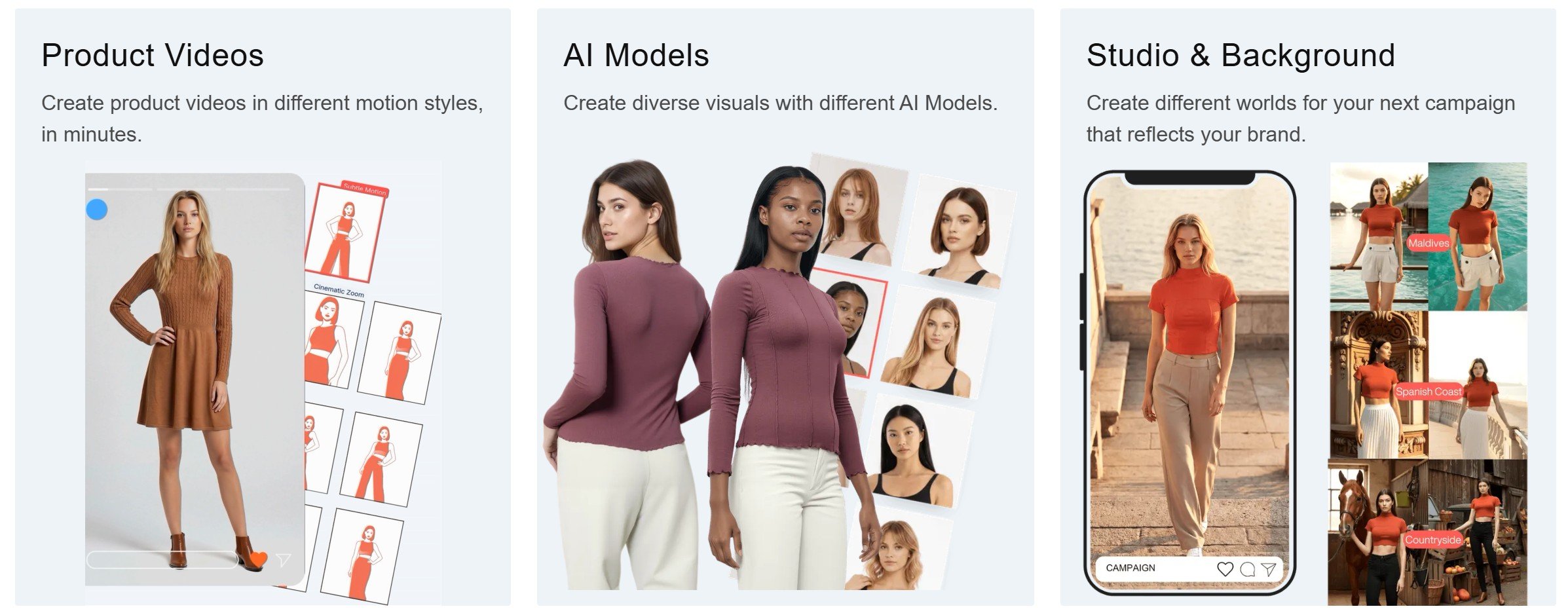
Retail Labs AI Models Services
This, of course, is as silly as saying that everybody lies, and therefore lying should just be considered the standard for the industry, which poses a different legal challenge, particularly for government bodies tasked with regulating misleading advertising, like the UK's Advertising Standards Authority (ASA).
