The 5 Silliest Headlines in June
Allbirds is now an AI company
The last six months have been quite hectic for the brand that was once well-known for making boring sneakers in more sustainable materials. Back in February, the company decided to shut down al off its full-price brick-and-mortar stores in the US. A month later, they announced that they were getting out of the sneaker business altogether, selling all of its footwear assets to American Exchange Group for a measly USD 39 million. Just a few weeks later in April, the company announced that it would now be making AI computer infrastructure and hardware. Needless to say the news surprised industry insiders and shareholders alike, pushing its market cap to grow sevenfold after the news broke (yes Wall-Street is as ridiculous as ever it seems…)
Back then it announced it would be rebranding as NewBird AI, only to change the name of the company to Smartbird two months later. The company is now being led by Nadia Carlsten, whose work experience include driving the quantum computing center at Amazon, and working for the US Department of Homeland Security. Most recently, she was CEO at DCAI, another AI company known for being the home of Gefion, a supercomputer. It does make me wonder if the market is rallying behind Carlsten as opposed to the sad and languishing remnants of the former sneaker brand…
Click here to read more: Allbirds stock soars after name change and CEO hire in AI pivot
Reformation files for an IPO
No, pigs are not flying these days. In the wake of Everlane selling its soul and assets to Shein, comes "sustainable" fashion brand darling, Reformation, filing for an IPO. Let's forget for a second the massive greenwashing of Reformation's product proposition and business ethos. As a company that once touted to be the second most sustainable option for dressing yourself, the idea of filing for an IPO should be repugnant. As a publicly listed company, Reformation's duty will always be to its shareholders, parties famously known to put the environmental protections, human rights, and product quality far above profits (sarcasm!)
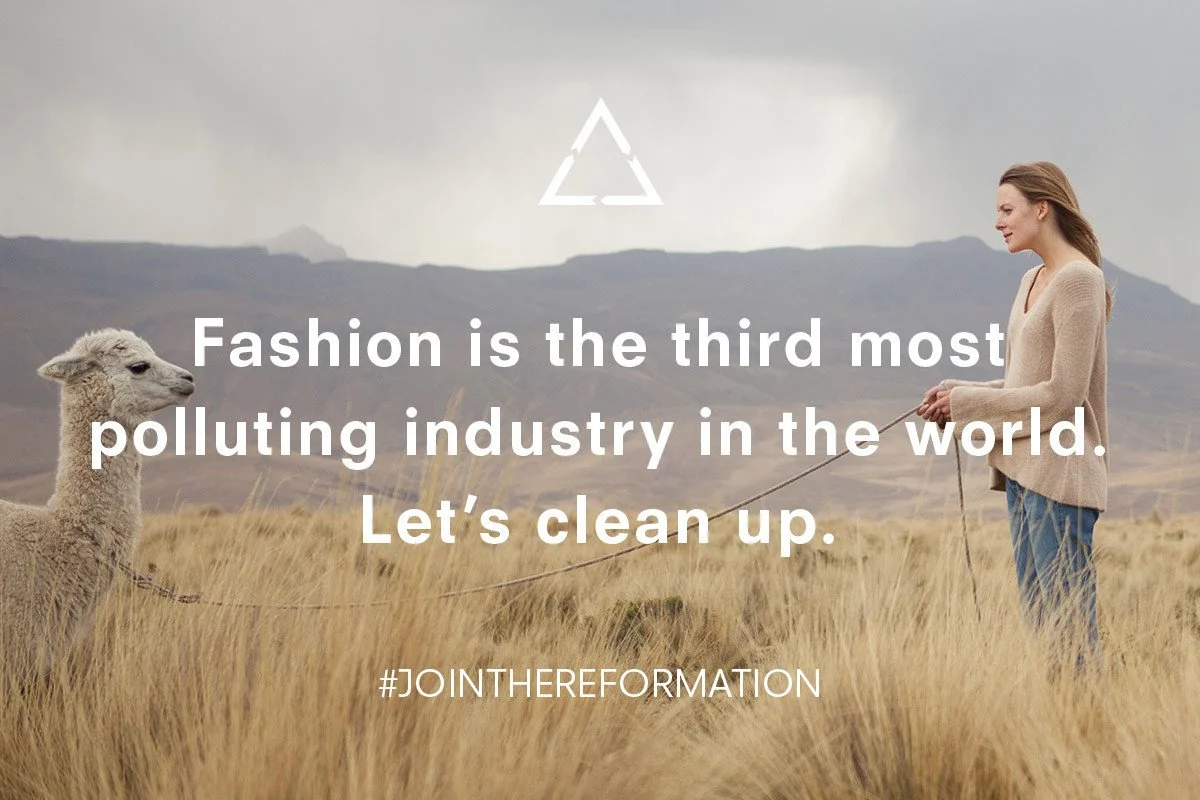
Reformation Advertising
The idea that Reformation could ever keep its greenwashing marketing and file for an IPO without someone pointing out the ridiculousness of it all. I know what you're going to say, "Reformation has been carbon-neutral since 2015", but this does not negate the negative environmental impact their clothes have on ecosystems. Viscose and rayon may be touted ad plant-based, but the production and dyeing of these fabrics is responsible for high levels of chemical pollution and deforestation, so spare me sanctimonious theatrics of saying that “ [Reformation's] goal is to have a positive impact on people and the planet and prove that it’s possible to build a global fashion brand that delivers both impressive financial and environmental results.”
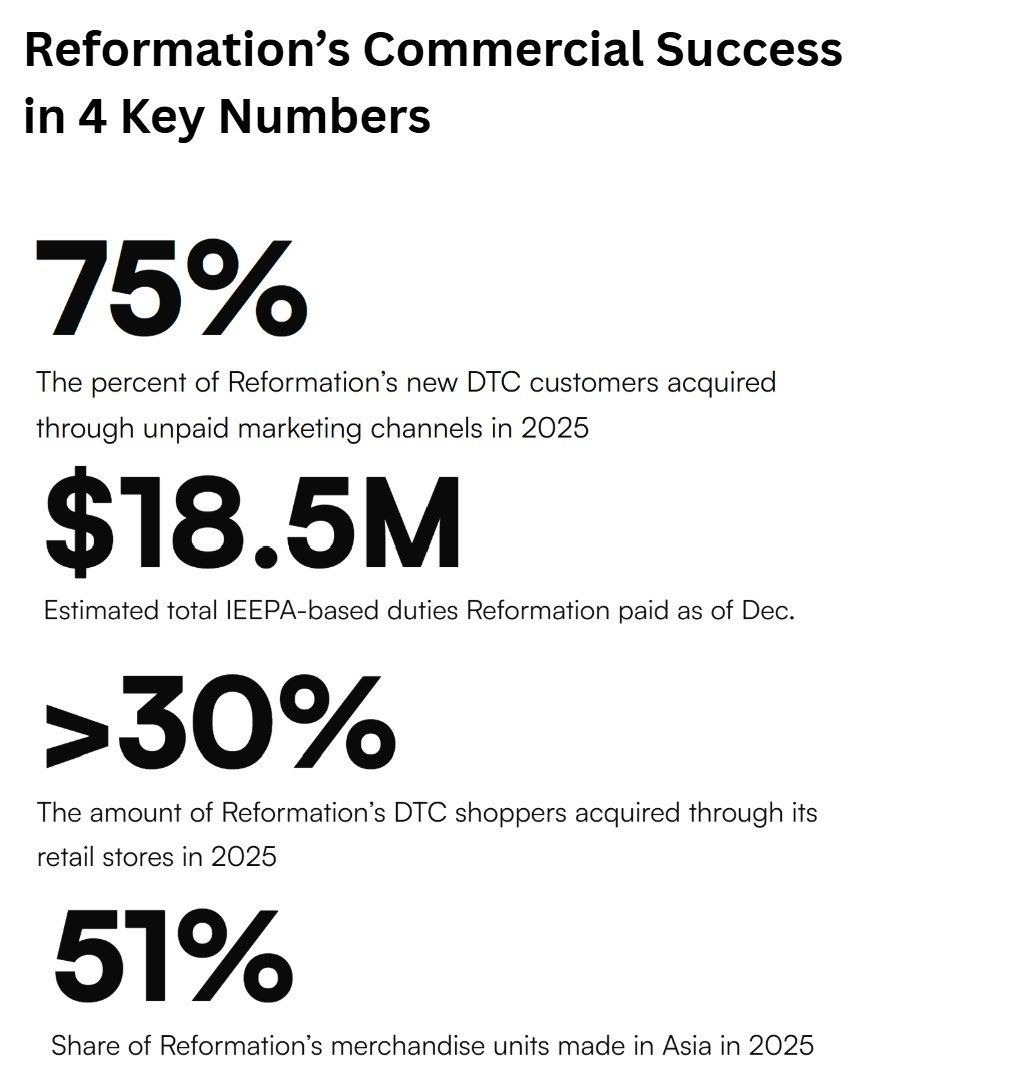
Reformation’s Unparalleled Success in One Picture
The farce of sustainable fashion is truly dead and over.
Click here to read more about Reformation's unique retail profile here (I mean they are pretty good at selling clothes after all): Six Things to Know About Reformation's Business as the Company Prepares to Go Public - Retail TouchPoints
Culturally insensitive marketing in East Asia
This months was ripe with culturally insensitive marketing in East Asia. Let's start with Starbucks Korea's horrendous "Tank Day" promotion.
Their new series of tumblers were created for volume coffee-drinkers looking for a largely capacious tumbler (you will pry this Succession reference from my cold dead hands!). The product features clean lines and trendy colours. Having said that, the marketing campaign of the tumblers was centered around their "Tank" likeness, using the term widely across print and digital media. To top it off, the product was launched on May 18th, the anniversary for a date when tanks were deployed to quash a civil uprising which resulted in the deaths of hundreds of people in South Korea. Needless to say that South Koreans were outraged by this campaign, which resulted in unsurprising sales drops, the dismissal of South Korea's CEO, as well as that of a marketing executive, and a PR nightmare.
This is nothing, however, compared to Lululemon's most recent blunder in China. At a May 30th event held at the Great Wall, Lululemon featured a massive drum for a musical performance. The issue, you may ask? The brand used a Japanese taiko drum as opposed to a Chinese dagu drum. Chinese netizens were upset, and rightfully so. In a region where nuance is of utmost importance due to past and present cultural, political, and historical controversies you would think that Lululemon would have been more careful.
The fact that both brands have local corporate offices and marketing agencies further highlights that this is not a case of entitled foreign companies trying to impose their own values, but rather how cultural sensitivity, self-awareness, and history knowledge is essential when doing business, even if you are a local.
Click here to read more on other marketing blunders: What Can Recent Controversies, Including Lululemon's, Teach Brands About the Dangers of Cultural Insensitivity?
The USD 395 pineapple
The world is quite literally burning, and we are all living in a constant state of anxiety due to the current macroeconomic and political environment, and yet Del Monte decided that 2026 was the year for them to go full-steam ahead with their Rubyglow pineapple. The pineapples are grown in Costa Rica, and only a few thousand pieces are available every year, making them rare and pricey.
I am not unfamiliar with expensive fruit, after all, I have seen those Japanese melons and strawberries at the premium supermarket, especially around Chinese New Year. However, paying almost USD 400 dollars for one pink pineapple really does take the cake when it comes to insanity! In this economy? No, thank you!
For more information on ridiculous fruits, including cotton candy grapes, click here: A $395 pineapple? How innovation is upending the popular tropical fruit | Food Dive
Aldi's cocktail ice-cubes
I wouldn’t call USD 4.99 expensive, and I don't find the notion of Aldi selling premium cocktail ice-cubes as dystopian as others. In fact, I initially thought of them as a great product innovation from what is surely an insightful product or category manager at the German retailers.
However, on second thought, it did make me think about how insane it is that frozen water has become a signal for ao-called good taste, plentiful disposable income, and social class. Water as a status symbol is nothing new (water wars anyone?), but the conversation now does seem to have shifted towards having the "right kind" of ice at home. We know that ice-cube aficionados have a strange obsession with Sonic's ice chips, and would never grab a random 7-11 bag of ice-cubes other than to keep drinks cold, but I do wonder if taking an admittedly icon of elevated and expensive cocktails, and repackaging as something consumers can take-home is more of a recession indicator than a fun way to enjoy a drink at home.
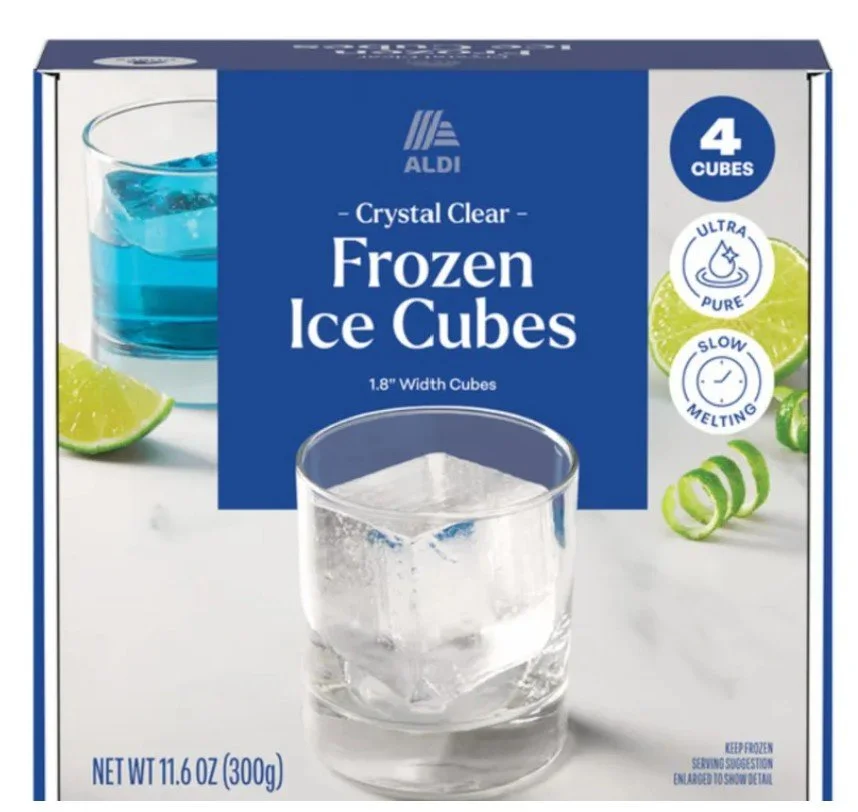
Too out there?
Clean water is a human right, so the further commodification of water (and ice-cubes) in the times of climate change and resource privatization does not sit right with me.
